How to Choose the Best Soccer Ball: The Ultimate Guide for Clubs & Players
Introduction
Whether you are managing a local club, coaching a youth academy, or looking to upgrade your personal training gear, choosing the right soccer ball matters. It isn't just about pick-up games in the park; the construction, aerodynamic flight, and coating of a ball dramatically affect player performance and ball longevity.
With so many options on the market, how do you distinguish a cheap replica from a match-grade ball that holds up on both turf and grass?
Here is everything you need to know about selecting a high-performance soccer ball that complies with official FIFA and DFB standards.
1. Look for Premium PU Coatings (Avoid Cheap PVC)
When buying soccer balls in bulk or for official matches, the outer material is the most critical factor. Many mass-produced balls use cheap PVC (Polyvinyl Chloride), which feels stiff, gets slippery in the rain, and cracks quickly in cold weather.
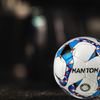
At MANTOM, we build our premium balls (like the Phantom and Tornado series) using high-grade Polyurethane (PU) coatings. Why?
-
Superior Elasticity: Gives players a true "first touch" and natural feel upon contact.
-
Tear Resistance: Withstands intense, high-velocity impacts without scuffing.
-
Weatherproof Performance: Keeps its shape and texture whether you are playing on a frost-covered pitch or under the summer sun.
2. Match vs. Training Balls: What's the Difference?
Not all balls are built for the same purpose. To optimize your budget, you should split your inventory into two categories:
-
Official Match Balls: These are thermally bonded or seamlessly constructed to ensure absolute water resistance and perfectly predictable flight paths. They are designed for game-day precision.
-
Training Balls: Built for extreme durability. They need to survive hours of daily drills, repetitive shooting practice, and rough contact without losing air pressure.
3. Synthetic Turf vs. Natural Grass Resilience
Modern football is increasingly played on synthetic turf. While artificial grass pitches offer great playability year-round, the black rubber granulate and friction can severely abrade standard soccer balls.
If your team trains predominantly on turf, ensure your balls feature advanced outer texturing. A textured surface manages the friction from synthetic turf blades, keeping the ball from skidding unpredictably.
4. Meeting FIFA & DFB Standards
If your club plays in competitive leagues, using standard "toy store" balls won't cut it. High-quality footballs must strictly adhere to—or exceed—the weight, circumference, and rebound standards set by organizations like FIFA and the DFB. Proper weight distribution ensures that when a player practices a corner kick or cross, the ball moves exactly how it would in a professional stadium environment.
Conclusion
Investing in high-quality soccer balls saves your club money in the long run by cutting down on replacements, while giving your players the tools they need to develop genuine ball control.
Ready to upgrade your team's gear for the upcoming season? [Browse our full MANTOM Soccer Ball Collection here] to find the perfect match and training balls for your club.
-
Veröffentlicht in
Club Sponsoring, Football Training, MANTOM Match Balls, Soccer Balls, Sports Equipment